
tintin en pdf
Overview of Tintin PDFs
Tintin en PDF offers fans a digital gateway to Hergé’s adventures․ These files preserve the original artwork, dialogue, and layout, allowing readers to explore “The Adventures of Tintin” from anywhere․ High‑resolution scans ensure clarity, while bookmarks aid navigation․Download options vary by region․!!

1․1 What Are Tintin PDFs?
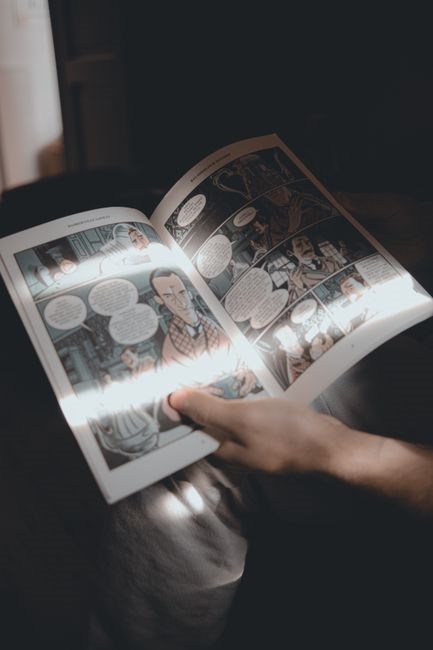
Tintin PDFs are digital reproductions of the classic Belgian comics created by Hergé․ They encapsulate the original panels, inked lines, and vibrant colors in a format that can be viewed on computers, tablets, and smartphones․ Each PDF preserves the sequential art layout, allowing readers to experience the narrative flow as intended by the author․ The files typically range from single adventures to complete series collections, offering both casual fans and collectors a convenient way to access the stories without the need for physical copies;
These PDFs are usually high-resolution scans, often exceeding 300 DPI, ensuring that fine details such as background textures, character expressions, and subtle shading remain crisp․ The digital format also supports features like zoom, page navigation, and bookmarking, which enhance the reading experience․ Many publishers and fan communities provide annotated versions, adding footnotes, historical context, or commentary that enriches the original material․
In essence, Tintin PDFs serve as a bridge between the traditional print medium and modern digital consumption, preserving the legacy of a beloved comic series while adapting it to contemporary reading habits․
These digital files also allow readers to revisit classic scenes, providing a portable archive that can be accessed on the go, making Tintin stories more accessible to a wider audience, especially for younger readers who appreciate the timeless charm of the series․
Fans can merge PDFs to customize reading order build libraries․!
1․2 Popular Tintin PDF Collections
Several curated sets of Tintin PDFs have become staples for enthusiasts worldwide․ The “Complete Adventures” bundle aggregates all 29 original albums, each rendered in high‑resolution scans that retain the original color palette and panel layout․ This collection is often distributed by official publishers, ensuring authenticity and quality․ Another favorite is the “Collector’s Edition” series, which groups stories by era—classic, wartime, and modern—providing context through introductory essays and behind‑the‑scenes notes․ For those who prefer a more thematic approach, the “Adventure Themes” collection compiles tales based on geography or plot, such as “Africa” or “Space,” allowing readers to explore Tintin’s globe‑spanning escapades in a single, focused package․ Additionally, fan‑compiled sets like the “Digital Library” offer a mix of official and archival scans, sometimes including rare or out‑of‑print titles that are otherwise hard to find․ These collections are frequently updated, with new volumes added as rights agreements allow, keeping the digital library fresh and comprehensive․ Whether you’re a casual reader or a dedicated archivist, the variety of available PDF compilations ensures there’s a format that fits your preferences and reading habits․!
Beyond official releases, archives have amassed thousands of scanned pages, often organized by title and publication year․ These repositories, hosted on platforms such as the Tintin Archive Project, provide researchers and fans with detailed studies of Hergé’s artistic evolution․ They also offer tools for merging individual pages into cohesive PDFs, enabling reading experiences․ However, users should verify the legality of these sources in their jurisdiction before downloading․
For collectors who wish to create libraries, many tools allow the assembly of PDF sets․ By selecting individual chapters or entire albums, users can compile an anthology that reflects their favorite arcs․ Naming conventions such as “Tintin_Adventure_of_the_Sun_Rocket․pdf” help maintain order and ease retrieval․ Additionally, metadata tags can be embedded to support search functions within PDF readers, making large collections more navigable․ These practices preserve the integrity of the original works while accessibility for readers!!

Legal Considerations
Tintin PDFs are subject to copyright․ Official releases are licensed, while fan scans often violate rights unless public domain․ Users should verify local laws, seek permissions, or use authorized sources to avoid infringement․ Respecting creators protects future works․ Enjoy!!․
2․1 Copyright Status of Tintin Works
The legal landscape surrounding Tintin is shaped by the original creator Hergé’s estate, the publisher Casterman, and the international copyright framework that governs literary and artistic works․ Since Hergé passed away in 1983, the French copyright law, which grants protection for 70 years after the author’s death, keeps the original stories and illustrations under strict protection until 2053․ However, the situation is nuanced by several factors that can affect the availability of the material in digital form․
- Public domain status in certain jurisdictions: In countries that apply a 50‑year post‑mortem protection period, the first 50 years after Hergé’s death (i․e․, until 2033) may allow the works to enter the public domain․ This means that in those regions, freely distributing or downloading the PDFs would not infringe copyright, provided the copies are faithful reproductions and no additional rights holders are involved․
- Derivative rights and licensing: Even if the original text or artwork were in the public domain, any modern adaptations, translations, or editorial changes made after 1983 could still be protected․ The Casterman imprint, which has handled most of the official reprints, holds the rights to these derivative works and typically requires a license for digital distribution․
- International treaties: The Berne Convention and the TRIPS Agreement create a baseline of protection that transcends national borders․ As a result, a PDF that is legal in one country might still infringe copyright in another if the rights holders have not granted permission․ This is why many fan‑made scans circulate in a legal gray zone, especially when the original publisher has not authorized the distribution․
- Exceptions and fair use: Some jurisdictions allow limited use of copyrighted material for purposes such as criticism, commentary, or education․ However, these exceptions typically require that the use be non‑commercial, transformative, and not substitute for the original․ A full‑length Tintin PDF, even if used for study, usually exceeds these limits and would be considered an infringement unless a specific license is obtained․
In practice, the safest path for readers and collectors is to rely on officially licensed digital editions that have been vetted by the rights holders․ These editions ensure that the original artistry is preserved, the correct metadata is attached, and the creators receive due compensation․ For those who wish to explore older, unlicensed scans, it is essential to understand the legal boundaries of the country in which they reside and to consider the ethical implications of supporting the original work’s legacy․ Readers are encouraged to verify the status of each title before distribution․
2․2 How to Obtain PDFs Legally
To acquire Tintin PDFs without infringing copyright, follow these steps:
- Official digital storefronts: Major retailers such as Amazon Kindle, Google Play Books, and Apple Books offer licensed e‑books․ Purchasing through these platforms guarantees that the publisher’s rights are respected and that you receive a DRM‑protected file that can be read on multiple devices․
- Community and Archive Sites Enthusiast forums and digital libraries, such as the Tintin Archive Project or the Hergé Foundation, sometimes host scanned PDFs․ Verify that the source has obtained permission or that the material is in the public domain before downloading․
- Official reprint bundles Anniversary editions released by Casterman or other licensed publishers often compile multiple volumes into a single PDF․ These bundles usually feature high‑resolution scans, bonus commentary, and a convenient file size that is easy to store and share legally․
- Subscription services Subscription services like Scribd or Kindle Unlimited sometimes include Tintin titles․ A subscription grants temporary access, but you must not download the PDF for offline use․ Instead, use the app’s built‑in reader to view the content within the service’s terms․
By using authorized sources, you respect the creators, preserve the artwork’s integrity, and enjoy a legally compliant reading experience that supports future Tintin adventures․Share favorite Tintin moments with friends and readers now

Sources for Downloading Tintin PDFs
Trusted sources include official publisher sites like Casterman, digital libraries such as the Hergé Foundation, and licensed e‑book platforms․ Always verify the publisher’s rights before downloading․ These sites provide high‑quality scans and legal access to Tintin adventures․ Download responsibly․ and help․
3․1 Official Publishers and Websites

For authentic Tintin PDFs, the primary source is Casterman, the official publisher holding Hergé’s rights․ Their website presents a digital shop where each volume is sold as a high‑res PDF or e‑book, scanned to preserve original color, layout, and lettering․ Every file carries a watermark and copyright notice, ensuring authenticity․ The Hergé Foundation’s digital archive, in partnership with Casterman, offers a curated selection and a subscription model that grants access to rotating titles, plus author interviews and behind‑the‑scenes commentary․ Amazon Kindle also offers Tintin PDFs, though conversion quality varies․ The Tintin website releases limited‑edition PDFs for anniversaries, featuring exclusive artwork and author notes․ All outlets give secure, encrypted downloads with clear licensing․ Purchasing from these sites supports creators and preserves Tintin’s legacy․ Multilingual support is available, allowing downloads in French, English, Dutch, and more․ After purchase, PDFs are delivered via email or a secure portal, with download links that expire after a set period․ Files are compressed to reduce bandwidth while maintaining visual fidelity․ Customer support is available for technical issues, and a FAQ section addresses common questions about file formats and compatibility․ Additionally, many sites offer a mobile view, allowing readers to swipe through panels on smartphones or tablets without losing detail․ Readers can download PDFs on mobile devices!! By choosing publishers and websites, readers enjoy a trustworthy, digital experience that honors Hergé’s vision and keeps the adventures accessible for collectors and future generations․
3․2 Community and Archive Sites
Community and archive sites play a vital role in preserving Tintin’s legacy for readers who seek free access to PDFs․ These platforms host user‑generated collections, often sourced from public domain releases or fan‑made scans․ The most prominent among them is the Tintin Archive, a volunteer‑run project that curates a comprehensive library of scans, complete with metadata and original French captions․ Users can download individual volumes or entire series in PDF format, with each file carefully named to reflect the original publication order․ Another key resource is the Digital Comic Library, which aggregates PDFs from various contributors, offering a search function that filters by title, author, or language․ The site also provides a discussion forum where readers exchange restoration tips and discuss the fidelity of scans․ For those interested in historical context, the Hergé Fan Club hosts a repository of annotated PDFs, featuring commentary on each chapter’s artistic evolution․ These annotations are added by scholars and long‑time fans, giving readers deeper insight into Hergé’s techniques․ All community sites emphasize the importance of respecting copyright, encouraging users to share only works that are in the public domain or have explicit permission․ Many of these sites also provide links to official sources, guiding readers toward legitimate purchases when necessary․ Finally, Archive․org offers a digitized collection of Tintin PDFs with high‑resolution images and a user‑friendly interface for fans and collectors!!

Technical Tips for Reading Tintin PDFs
Use a lightweight PDF reader like SumatraPDF or Foxit Reader for fast loading․ Enable “Fit to Width” for crisp panels․ Adjust image resolution in the reader’s settings to balance clarity and file size․ For large volumes, split PDFs to reduce memory usage․ Add a bookmark for each chapter to jump quickly․ now!!!!!
4․1 Recommended PDF Readers
When navigating Tintin en PDF, choose a reader that balances speed and image fidelity․ Below are three top options for casual readers, collectors, and editors․
These readers handle high‑resolution images․
Its minimalistic design keeps the focus on the artwork, and the built‑in zoom preserves detail․
Its toolbar is fully customizable, and the annotation panel allows for sticky notes, on pages․
The engine also supports exporting pages as PNG or JPEG, which is handy for creating sharing screenshots…

It also offers a night mode that reduces glare, making it comfortable for reading in low light conditions․
Ultimately, choose SumatraPDF for speed, Foxit Reader for annotation, MuPDF for conversion, or Adobe for cross‑device convenience․
Each of these tools offers a unique set of features, so it’s worth trying them out with a sample Tintin PDF before committing․
These tools are regularly updated to improve performance and add features!!
4․2 Adjusting Image Quality and Page Size
When working with Tintin en PDF, image fidelity and page dimensions can dramatically affect the reading experience․ The following steps help you fine‑tune both aspects without compromising the original artwork․
- Choose the right PDF viewer․ Some viewers downscale images; others support original size․ Try it․ and see․!
- Set the DPI․ In export or print dialog, set DPI (dots per inch) to 300–600 for prints․ Lower DPI reduces file size but may blur fine line work․ now․?!
- Use image compression wisely․ Lossless compression keeps detail intact, while lossy JPEG saves space but may introduce artifacts․ Many PDF editors let you choose compression level per image․ image․!!
- Adjust page scaling․ When printing, select “fit to page” or “actual size․” “Fit to page” may stretch panels, while “actual size” preserves layout but may require scrolling․ now․!
- Leverage “crop” tools․ If a page has margins, crop to the comic’s bounding box․ This reduces file size and focuses viewer’s attention on panels․ now․?!
- Batch process with scripts․ For large collections, use command‑line tools like
qpdforGhostscriptto apply consistent DPI and compression settings across all files․ now․!
By following these guidelines, you can maintain the visual integrity of Tintin’s adventures while ensuring the PDFs remain lightweight and easy to share․ Enjoy reading!

Creating Your Own Tintin PDF Collection
Create a personal library by scanning originals or downloading legal PDFs, then merging chapters․ Use a PDF editor to order pages, add bookmarks, and rename files consistently․ Save in a folder, back up, and share responsibly․
Keep backups and respect rights․
5․1 Compiling Chapters and Volumes
Step 1: Gather all source files․ If you have scanned images, convert them to PDF using a batch converter․ For downloaded PDFs, ensure each volume is complete and in the correct order․ Organize them in a single folder named “Tintin Volumes” to keep the workflow tidy․
Step 2: Use a PDF merger tool such as PDFsam, Adobe Acrobat, or an online service․ Import the individual chapter PDFs in sequence, then export a single consolidated file․ Verify that the page numbers flow correctly and that no pages are duplicated or missing․
Step 3: Add bookmarks for each chapter and volume․ This allows quick navigation and improves the reading experience․ Most PDF editors let you create a hierarchical bookmark structure that mirrors the original book layout․
Step 4: Optimize the final file․ Compress images to reduce file size without sacrificing quality․ Adjust the resolution to a balance between clarity and download speed․ Save the optimized PDF under a clear name, such as “Tintin_Complete_Collection․pdf․”
Step 5: Backup and version control․ Store the master file in cloud storage and maintain a local copy․ If you plan to update the collection, keep previous versions labeled with dates or version numbers to track changes․
Additional Tips: Keep your collection organized by numbering volumes and chapters․ Use descriptive file names like Tintin_001_The_Adventure_of_the_Silver_Ship․pdf․ Store backups on multiple devices, and consider using a PDF annotation tool to add notes or highlights for reference․
5․2 Organizing and Naming Files
When assembling a Tintin PDF collection, a clear naming convention and folder hierarchy streamline future access and sharing․ Begin by creating a root folder titled “Tintin_Collection” and subdivide it into subfolders for each series or authorial phase․ Within each series folder, place individual volume PDFs named with a consistent pattern:
- SeriesName_VolumeNumber_Title․pdf – e․g․, “Tintin_001_The_Silver_Ship․pdf․”
- SeriesName_VolumeNumber_ChapterNumber_ChapterTitle․pdf – for chapter‑by‑chapter compilations․
Use zero‑padding for volume numbers (001, 002, …) to preserve alphabetical order․ Replace spaces with underscores or hyphens to avoid issues on different operating systems․ Include the publication year or edition in the filename if multiple editions exist, such as “Tintin_001_The_Silver_Ship_1975․pdf․”
Maintain a master index file (e․g․, “index․txt” or “README․md”) that lists all volumes, their titles, page counts, and any special notes․ This index aids quick reference and can be updated automatically with scripts that scan the folder․ For large collections, consider a spreadsheet with columns for series, volume, title, year, and file path․
When moving or sharing the collection, compress the root folder into a ZIP archive․ Use a password‑protected archive if the content is copyrighted․ Always keep a backup on a separate drive or cloud storage to prevent data loss․

Remember to respect copyright laws when sharing or distributing these PDFs․