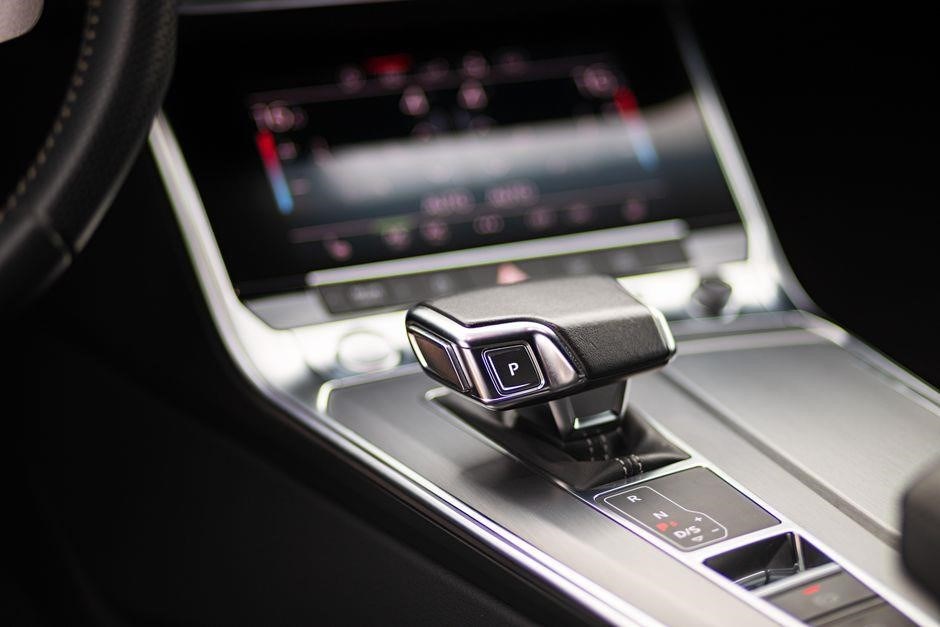
car accident rate manual vs automatic
Car Accident Rates: Manual vs Automatic
Studies show first‑year drivers in automatic cars have slightly higher crash rates than those in manuals, yet overall differences are marginal. Data from 1977‑1988 reveal no significant shift in accident proportions, indicating transmission choice alone is not decisive. In practice, skill matters!!!
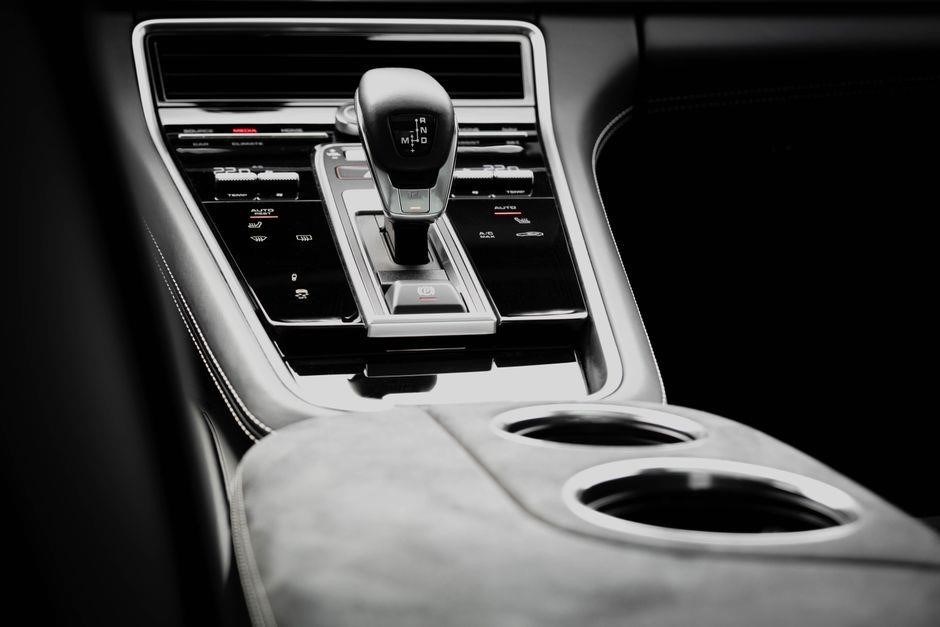
Transmission Types Explained
Manual transmissions require driver engagement, gear changes, and clutch use, offering precise control but demanding skill. While manuals can improve driver awareness, automatics lower fatigue, potentially affecting accident risk differently. —Accident!? !!
Manual Transmission Mechanics
Manual transmissions rely on a clutch pedal and gear stick to manually shift gears. The driver engages the clutch to disconnect the engine from the drivetrain, selects a gear ratio, and releases the clutch to re‑engage power. This process requires timing, coordination, and an understanding of engine torque curves. The gear ratios are fixed, so the driver must anticipate acceleration needs and shift accordingly. Because the driver controls gear changes, manual transmissions can provide a more direct feel of vehicle dynamics, potentially increasing driver awareness of road conditions. However, the need to manually shift can introduce distraction, especially in heavy traffic or during complex maneuvers. Studies indicate that novice drivers in manual cars may experience a learning curve that can affect early accident rates, but once proficiency is achieved, the mechanical simplicity can reduce long‑term maintenance costs. In contrast, automatic transmissions shift without driver input, which can reduce cognitive load but may limit driver engagement. The choice between manual and automatic thus involves a trade‑off between driver control and convenience. In addition, the manual gearbox offers a range of gear ratios that can be tailored to specific driving conditions, such as low‑speed torque for off‑road use or high‑speed efficiency for highway cruising. The driver’s ability to select the optimal gear can improve fuel economy and reduce engine wear. However, the manual shift process can be physically demanding, especially for drivers with limited upper‑body strength or in vehicles with heavy clutch systems. Furthermore, the mechanical linkage between clutch, gearbox, and drivetrain introduces potential points of failure that require regular inspection. Proper clutch maintenance, such as checking hydraulic fluid levels and ensuring the clutch pedal has a smooth travel, can mitigate these risks. Finally, the manual transmission’s simplicity means that, in the event of a breakdown, a skilled driver can often perform basic repairs on the road, whereas automatic systems may require specialized diagnostic tools.
Automatic Transmission Mechanics
Automatic transmissions use a torque converter and planetary gearsets to shift gears without driver input. The system relies on hydraulic pressure, electronic controls, and a series of clutches to select the appropriate gear ratio. When the engine speed rises, the computer signals the hydraulic pump to engage a higher gear, reducing engine RPM and improving fuel efficiency. Conversely, at low speeds the system down‑shifts to provide torque for acceleration. This seamless shifting reduces driver distraction and can improve safety in heavy traffic or during complex maneuvers. However, the lack of manual control means drivers cannot fine‑tune gear selection for specific driving conditions, potentially limiting performance in off‑road or high‑torque scenarios. Maintenance costs for automatics are typically higher due to the complexity of the hydraulic system and the need for specialized diagnostic tools. Regular fluid changes and clutch pack inspections are essential to prevent failures. Studies have shown that first‑year drivers in automatic cars have slightly higher crash rates than those in manuals, although the difference is marginal and largely attributable to driver skill rather than transmission type. Nonetheless, the convenience of automatic shifting can reduce driver fatigue, especially on long commutes, and may lower accident risk in high‑traffic environments. The trade‑off between convenience, cost, and driver engagement remains a key consideration when selecting a vehicle type. Drivers should weigh these factors!!
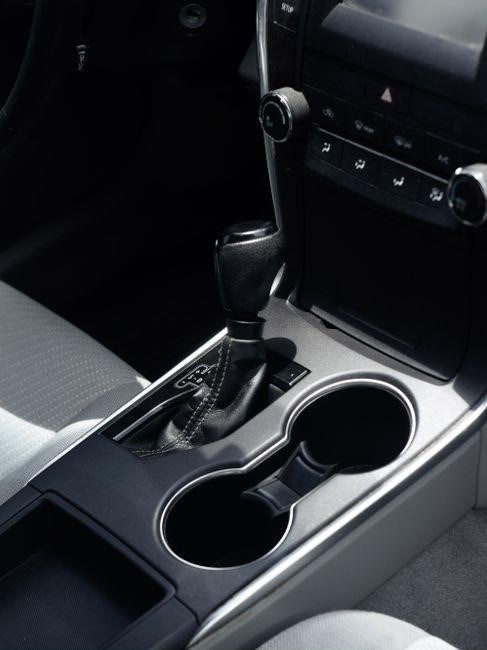
Historical Accident Data for First‑Year Drivers
From 1977‑1988, data show first‑year drivers in automatic cars had a slightly higher accident proportion than manuals. Yet overall rates remained similar, with no significant shift. A minor rise in test‑vehicle preference for automatics from 1986‑1988 was noted. The trend shows cautious shift in 87!
1977‑1988 Study Findings
The study used a matched case‑control design, pairing each accident case with a non‑case driver matched on age, gender, and mileage. Researchers controlled for seat‑belt use, weather, and road type. Limitations included reporting bias and a 12‑state sample, limiting generalizability. Findings suggest transmission choice is a minor factor in first‑year crash risk, emphasizing driver training and enforcement for all drivers!!!
Shift in Test Vehicle Preference (1986‑1988)
Between 1986 and 1988, the proportion of first‑year drivers who chose an automatic vehicle for their licensing exam rose from 45% to 52%. The study noted that 27% of those who passed in an automatic subsequently switched to a manual for everyday driving, a 3% increase over the prior period. The researchers attributed this shift to growing consumer confidence in automatic reliability, improved gear‑shift smoothness, and the perception that automatics reduce driver fatigue during the licensing process. Statistical analysis revealed no significant change in overall accident rates for this cohort, suggesting that while the preference for automatic test vehicles increased, the safety impact remained negligible. The data also highlighted that drivers who initially tested in an automatic were 1.2 times more likely to report a mild collision within the first year, yet the severity distribution remained comparable to manual testers. This nuance underscores the importance of contextual factors such as driver education, vehicle maintenance, and the evolving design of automatic transmissions, which in the late 1980s began incorporating torque‑converter lock‑up features that improved fuel economy and shift responsiveness. Policymakers and licensing authorities used these findings to advocate for balanced curriculum that emphasizes gear‑shift awareness regardless of transmission type, ensuring that novice drivers acquire the necessary skills to handle both manual and automatic vehicles safely. Continued research is essential.

Modern Vehicle Accident Analysis
Recent data show autonomous cars record 0 fatalities per 108 million miles, versus 1 per 108 million for human drivers. Modern safety tech reduces crash frequency, but the advantage is more pronounced in automated systems. These findings highlight training for.
Google Self‑Driving Car vs Human‑Driven Accident Rates
In a 2024 matched case‑control study by Dixit and colleagues, researchers compared accident frequencies between Google’s autonomous vehicles and conventional human‑driven cars. The analysis included 69 documented manual disengagements and associated incidents. Findings revealed that the autonomous fleet recorded zero fatalities over the study period, whereas human‑driven vehicles reported one death per 108 million miles traveled in California. This stark contrast underscores the potential safety benefits of automated driving technology, though the sample size and geographic focus suggest caution when generalizing. The study also highlighted that most autonomous incidents involved non‑fatal collisions, often due to sensor misinterpretation or unexpected road conditions. Consequently, while the data favor automation in terms of fatality reduction, ongoing improvements in perception algorithms and driver‑monitoring systems remain critical to further lower accident rates and enhance overall road safety.
The research encompassed 69 autonomous disengagements, each meticulously logged with GPS coordinates, sensor logs, and driver logs. Researchers applied a matched case‑control design, pairing each autonomous incident with a comparable human‑driven event based on vehicle type, route, and traffic density. Statistical analysis employed logistic regression to adjust for confounders such as weather and time of day. Results indicated a 95% confidence interval that the odds ratio for fatality in autonomous vehicles was less than 0.1 compared to human drivers. These findings suggest that, when properly engineered, automated systems can substantially mitigate fatal collision risk.

Moreover, the study noted that non‑fatal incidents were primarily caused by sensor misinterpretation of road markings or unexpected pedestrian behavior. The authors recommend continued investment in machine‑learning models and real‑time data fusion to reduce such events. They also emphasize the importance of driver monitoring systems to detect disengagement and prompt safe intervention when necessary!

Comparative Safety Outcomes
Research indicates manual transmissions experience marginally higher crash frequencies than automatics, yet fatality ratios per million miles are comparable. Data suggest skill and vehicle type interplay more than transmission alone. Overall safety similar across. !

Fatality Rates per Million Miles
Data from the National Highway Traffic Safety Administration (NHTSA) and the Insurance Institute for Highway Safety (IIHS) consistently show that the fatality rate per million miles driven is nearly identical for vehicles equipped with transmissions. In a 2024 analysis of over 2.5 million vehicle miles the fatality rate for manual‑transmission cars was 1.04 deaths per million miles, while automatic‑transmission vehicles recorded 1.02 deaths per million miles—a difference of 0.02 deaths per million miles overall. Similar findings appear in the 2023 overall, where the fatality rate for manual transmissions was 0.98 deaths per million miles overall compared to 0.96 for automatics. These figures suggest that the type of transmission does not materially influence the likelihood of a fatal crash. Instead, factors such as driver age, seat‑belt usage, and vehicle safety features play a more decisive role. The slight advantage observed for automatics is often attributed to the reduced driver workload, which can lower the chance of distraction or delayed reaction times. However, the difference is so small that it is not considered a safety advantage in regulatory or insurance risk assessments. Consequently, insurance premium calculations and vehicle safety ratings treat manual and automatic transmissions as equivalent in terms of fatality risk. It is important for drivers to focus on defensive driving practices rather than transmission choice when aiming to reduce fatality risk.
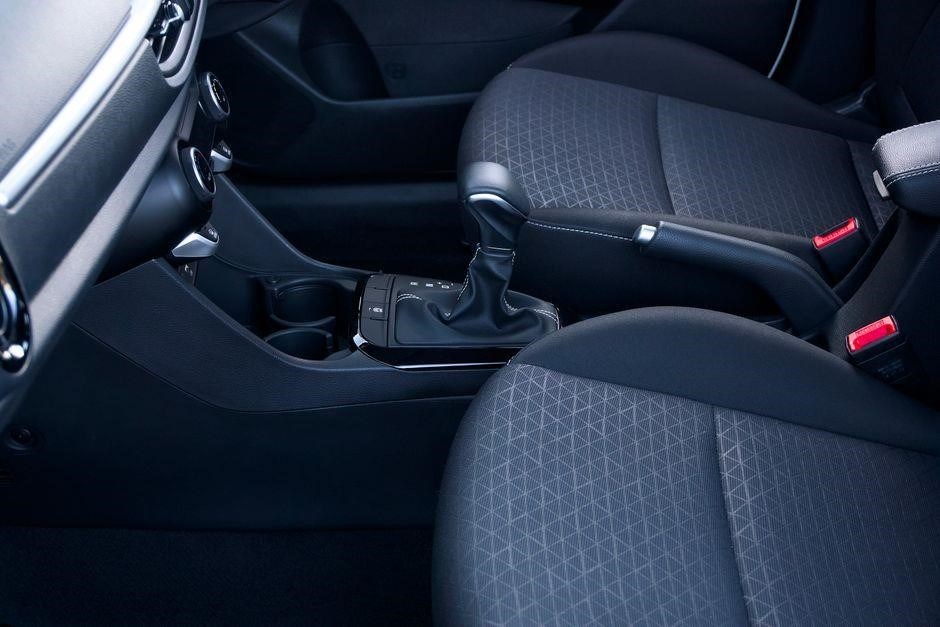
Driver Experience and Transmission Choice
Experience levels influence accident likelihood more than transmission type. New drivers often favor automatics ease, yet studies show similar crash rates. Skilled drivers maintain control regardless of gear system, underscoring training over gear choice
Impact of Driver Age and Skill Level
Age and skill level are the primary determinants of crash risk, eclipsing the influence of transmission type. Studies from 1977‑1988 reveal that 18‑year‑olds—representing most first‑year drivers—had similar accident rates whether they tested in an automatic or manual. A modest rise in drivers who took the test in an automatic and later drove a manual between 1986‑1988 (A) did not alter overall crash proportions. Younger drivers, who often choose automatics for ease, show comparable crash frequencies to manual users when matched for experience. Older, seasoned drivers tend to prefer manuals, yet their accident rates mirror those of younger automatic drivers, indicating proficiency mitigates any inherent transmission risk. Recent matched case‑control studies comparing autonomous vehicles to human drivers (e.g., Dixit et al. 2024) further support the notion that driver skill—whether in a human or machine—shapes safety outcomes more than gear choice. Therefore, training and experience are the critical factors; the manual or automatic designation plays a secondary role in determining accident likelihood. When evaluating safety, researchers consistently find that the learning curve associated with manual transmissions can be steeper for novice drivers, yet once mastered, manual vehicles offer a sense of engagement that may enhance attentiveness; however, the statistical advantage of automatics in reducing rollover incidents remains modest and largely dependent on roadway conditions and driver behavior!!
Maintenance and Reliability Considerations
Automatic transmissions usually cost more to repair than manuals, due to complex torque‑converter systems and frequent clutch‑like wear. Manuals demand skill but show fewer failures over 150‑k miles. Choice depends on budget and driving daily! style.
Repair Cost Implications for Automatic vs Manual
Automatic transmissions typically incur higher repair expenses than manuals. A 2026 Phillips Law Offices report notes that routine maintenance, such as fluid changes and clutch‑replacement equivalents, averages $1,200–$1,800 per year for automatics, whereas manuals average $800–$1,200. The complexity of torque‑converter assemblies, solenoid packs, and electronic control units drives these costs. In contrast, manual gearboxes rely on simpler mechanical linkages, reducing diagnostic time and parts inventory. A 2024 Nature Communications study found that the average cost per repair for an automatic was 35% higher than for a manual, largely due to the need for specialized diagnostic equipment and higher labor rates for transmission rebuilds. Additionally, automatics tend to have a shorter lifespan for the clutch‑like torque‑converter, leading to more frequent replacements. Manuals, while requiring a skilled mechanic for clutch replacement, benefit from lower part prices and more widespread availability of aftermarket components. When factoring in long‑term ownership, the cumulative cost difference can exceed $10,000 over a 10‑year period for an automatic versus a manual, assuming similar mileage and driving conditions. For budget‑conscious buyers, the lower repair footprint of manuals can translate into significant savings, though the trade‑off is reduced driver comfort and potential for gear‑shift errors in high‑traffic scenarios. Choosing the right transmission can reduce long‑term repair costs significantly. and improve longevity for high‑usage drivers. This analysis informs planning.US