
instructions for living a life mary oliver
Mary Oliver’s philosophy centers on simple‚ mindful instructions for living: observe nature‚ love the mortal‚ hold it against your bones‚ and let it go when time arrives․ Her quote deck offers daily prompts‚ urging astonishment and a wild‚ precious life․Her teachings inspire living‚ encouraging gratitude․
Core principles of living a life
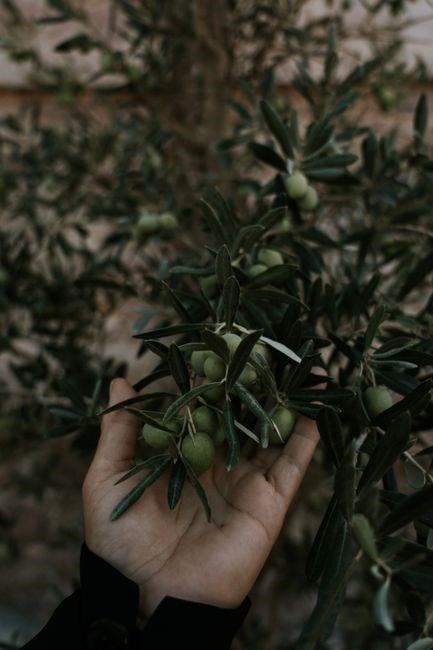
Oliver’s core principles guide living: observe nature’s quiet wisdom‚ love what is mortal‚ hold it against your bones‚ and let it go when time comes․ Daily reflection cards prompt astonishment‚ urging mindful attention to the present‚ fostering a wild‚ precious life․
These principles invite living now․

instructions for daily reflection
Mary Oliver’s daily reflection instructions invite readers to pull a card each morning‚ meditate on its simple directive‚ and let its wisdom permeate the day․ The deck’s fifty quotes‚ drawn from her poems‚ serve as gentle prompts that encourage noticing the ordinary‚ listening to the pond‚ and feeling astonishment․ By setting a quiet moment before sunrise‚ one can honor the present‚ observe nature’s subtle rhythms‚ and align thoughts with the call to love what is mortal․ This practice cultivates mindfulness‚ grounding the mind in the now‚ and reinforces Oliver’s belief that a life lived with attentive wonder is the truest path to meaning․ To deepen the ritual‚ one may write a brief journal entry‚ noting how the card’s message resonated with current events‚ or sketch a small scene that illustrates the insight․ Repeating the exercise over weeks creates a living archive of personal growth‚ reminding us that each day offers a fresh invitation to pause‚ breathe‚ and re‑engage with the world’s quiet gifts․ As the day unfolds‚ carrying the card’s lesson into conversations‚ decisions‚ and moments of stillness helps transform fleeting inspiration into lasting habit․ In this way‚ Oliver’s instructions become more than words; they become a compass that guides us toward a life marked by gratitude‚ presence‚ and the courage to let go when time arrives․ Sharing the card’s insight with a friend turns solitary practice into a shared journey․ At day’s end‚ revisit the card‚ note any shifts‚ and let the lesson settle into tomorrow’s actions․ It anchors the day․ Calm

Love what is mortal
Mary Oliver’s counsel to love what is mortal urges us to cherish fleeting moments‚ to see beauty in the transient and to honor the impermanence that defines life․ By recognizing that each breath‚ each flower‚ each conversation is finite‚ we deepen our gratitude and become more present․ The poet reminds us that loving the mortal is not a lament but a celebration: it is the recognition that the most profound connections arise when we accept the limits of our existence․ In practice‚ this means pausing to taste the first bite of a ripe fruit‚ listening to a child’s laugh‚ or watching a sunset fade․ It also involves acknowledging the pain and loss that accompany such moments‚ allowing them to enrich rather than diminish our experience․ Oliver encourages us to hold these memories against our bones‚ to let them shape our identity and to carry them forward as a source of strength․ By doing so‚ we transform ordinary encounters into sacred rituals‚ and we learn that the true value of life lies in its fleeting nature․ This mindful appreciation fosters resilience‚ compassion‚ and a deeper sense of belonging to the world’s ever‑changing tapestry․
In daily life‚ this instruction can manifest in small rituals: a mindful cup of tea‚ a walk in the garden‚ or a quiet moment before sleep․ Each act becomes a reminder that the present is precious․ By honoring the mortal‚ we cultivate a deeper connection to the world and to ourselves‚ allowing compassion to grow naturally․
Thus‚ loving the mortal becomes a practice of gratitude!
Hold it against your bones
Oliver’s exhortation to hold what we love against our bones invites a tactile‚ almost visceral engagement with the world․ It is not a call to cling in a negative sense‚ but to embed the fleeting joys and memories into the very marrow of our being․ When we hold something against our bones‚ we are acknowledging that the experience has become part of our identity‚ a living fossil that shapes our thoughts‚ our moods‚ and our actions․ This practice encourages us to keep the scent of a summer meadow in our mind‚ to remember the rhythm of a loved one’s laugh‚ to feel the weight of a book’s pages in the quiet of our chest․ By doing so‚ we are creating a reservoir of gratitude that can be tapped in moments of doubt or sorrow․ The bones‚ being the framework of our physical form‚ symbolize resilience and endurance; aligning our emotional anchors with them reminds us that love and memory are not fleeting but integral to our survival․ In a practical sense‚ this instruction can be applied by setting aside a few minutes each day to reflect on a cherished memory‚ to write a short note to yourself‚ or simply to sit in silence and let the feeling settle into your ribs․ Over time‚ this habit can transform ordinary recollection into a source of strength‚ allowing us to navigate life’s uncertainties with a steady heart․ Thus‚ holding what is dear against our bones becomes a quiet‚ powerful act of self‑care and affirmation‚ echoing Oliver’s belief that the most profound living comes from embracing the depth of our own experiences․!!!

Let it go when time comes
Oliver’s guidance to let go when time arrives is a gentle yet profound reminder that attachment‚ while necessary for growth‚ must eventually yield to the natural rhythm of life․ It encourages us to recognize the impermanence of joy‚ grief‚ and even our own identity‚ and to release them without guilt or regret․ By practicing this release‚ we honor the transient nature of all experiences‚ allowing each moment to unfold fully before it dissolves․ In practical terms‚ this means setting aside time each day to acknowledge what we hold dear—be it a relationship‚ a dream‚ or a memory—and then consciously stepping back‚ allowing the feeling to ebb like a tide․ The act of letting go is not a sign of weakness but of wisdom; it frees our emotional space‚ enabling new possibilities to enter․ Oliver’s words suggest that when we let go‚ we do so with gratitude‚ recognizing that the experience served its purpose and contributed to our evolution․ This mindful surrender can be cultivated through meditation‚ journaling‚ or simply a quiet walk where we observe the changing seasons․ As we practice‚ we learn to trust that what we release will not vanish entirely but will transform‚ echoing the cycles of nature she so lovingly describes․ Ultimately‚ letting go when time comes is a celebration of life’s fleeting beauty‚ encouraging us to live fully in each present moment while remaining open to whatever comes next․ Each release is a quiet act of renewal‚ a breath that opens new horizons․ and hope!!!!!

Observing Nature as a Guide
Oliver invites us to observe nature as a living teacher․ In the woods‚ each leaf whispers a lesson; at the pond‚ still water reflects the sky’s calm․ By listening‚ we learn patience‚ by watching‚ we practice presence․ These moments remind us that life’s rhythm is rooted in the earth’s quiet pulse in each breath․
Walking in the woods‚ as Mary Oliver suggests‚ becomes a meditation in motion․ Each step is a question: what is the scent of pine‚ what does the light do when it filters through leaves? Oliver writes that the forest is a teacher‚ offering lessons in patience and presence․ When you pause to feel the rough bark beneath your fingertips‚ you learn to hold the moment against your bones‚ to feel the weight of the world and the lightness of the air․ The trees stand as silent witnesses‚ reminding us that life is both fleeting and enduring․ In the quiet hush of a forest trail‚ the mind can let go of the noise of everyday life‚ allowing astonishment to bloom․ Oliver encourages us to listen to the rustle of leaves‚ the distant call of a bird‚ and the subtle shift of wind․ Each sound is a reminder that nature is alive‚ and we are part of its rhythm․ By walking slowly‚ you give space for the mind to notice the small details: a spider’s web glistening‚ a patch of moss‚ the way sunlight dances on a stream․ These observations reinforce the idea that living a wild and precious life requires attention to the present․ As you walk‚ let your thoughts be as light as a feather‚ and when the path ends‚ carry the lessons back into your daily routine․ The woods become a living instruction deck‚ each step a card that teaches you to love what is mortal‚ hold it‚ and eventually let it go․ The rhythm of your breath syncs with the creak of branches‚ and you feel the pulse of the earth beneath you․ Oliver’s guidance invites you to notice how the forest changes with seasons‚ how the same tree can be a source of shade in summer and a canvas of colors in autumn․ By observing these cycles‚ you learn that change is a natural part of existence‚ and that letting go is not loss but transformation․ The woods teach you to honor the impermanent‚ to cherish each fleeting moment‚ and to remember that every leaf‚ every stone‚ every creature has a story․ When you finish your walk‚ you return with a renewed sense of wonder‚ ready to apply the quiet lessons to the bustle of everyday tasks․ In this way‚ walking in the woods becomes a daily practice of living with intention‚ gratitude‚ and awe․ Remember that each step is a conversation with the earth‚ a dialogue that invites you to listen‚ to observe‚ and to respond with kindness․ In the woods‚ you find a mirror of your own inner landscape‚ reflecting both the depths of your soul and the lightness of your spirit․ Thus‚ walking in the woods is not just a physical activity but a spiritual exercise that aligns your heart with the rhythms of nature․ Let each walk be a quiet vow to honor the fleeting beauty of life!!

Listening to the pond‚ Mary Oliver invites us to become still and hear the water’s quiet conversation․ She says‚ “Come to the pond‚ she implores‚ and live your life․” The pond reflects sky‚ trees‚ and our thoughts․ By focusing on a single stone’s ripple‚ we learn to hold a moment against our bones‚ feel its weight and release․ The sound of water lapping becomes a mantra‚ reminding us that life is continuous and ever-changing․ Oliver’s instructions suggest we let the pond teach us to love what is mortal‚ cherish the present‚ and let go when time comes․ As the water glistens‚ we notice subtle shifts in light‚ the cool air‚ and the quiet hum of insects․ In this stillness‚ the mind can let go of daily noise‚ allowing astonishment to bloom․ The pond is a living deck of quote cards; each ripple reminds us to be present‚ astonished‚ and alive․ By listening‚ we practice mindful attention‚ grounding ourselves in the present moment; The water’s surface mirrors our inner landscape‚ reflecting depths of soul and lightness of spirit․ Listening becomes a daily practice of living with intention‚ gratitude‚ and awe․ Let each moment by the water be a quiet vow to honor fleeting beauty‚ feel the earth’s pulse‚ and remember every droplet has a story․ The pond teaches that change is natural‚ letting go is transformation‚ and the wild‚ precious life we seek can be found in listening to the water’s song․ Thus‚ the pond becomes a living instruction deck‚ inviting us to listen‚ observe‚ and respond with kindness‚ honoring the impermanent and the eternal alike․ The pond’s stillness invites us to pause‚ breathe‚ and recognize that every breath is a gift‚ a reminder of life’s beauty today and wonder too!!!
Mindful attention‚ as Mary Oliver teaches‚ is engaging with each breath‚ sound‚ and movement without judgment․ She urges us to “listen to the pond” and to “be astonished‚” inviting quiet awareness that turns ordinary moments into profound revelations․ By anchoring ourselves in the present‚ we notice subtle shifts of light on leaves‚ the gentle hum of insects‚ gently and the rhythm of our heartbeat; This awareness cultivates a deep sense of connection to the natural world and our inner selves․ Oliver’s instructions suggest mindful attention is not a passive act but an active‚ loving presence that deeply honors the fleeting nature of life․ When we practice mindful attention‚ we hold each experience against our bones‚ feeling its weight and then letting it go when the time comes․ The practice becomes a daily ritual‚ a way to honor the wild‚ precious life she describes․ By observing the world with curiosity and gratitude‚ we learn to see beauty in the ordinary‚ feel the pulse of earth beneath our feet‚ and recognize that every moment is a gift․ This mindful attention invites us to live intentionally‚ to listen deeply‚ and to respond with compassion and wonder․ It is through this practice that we can truly embody Oliver’s philosophy of living a life that is both grounded and expansive‚ a life that embraces the present and remains open to the mysteries that lie beyond
Practice mindful attention by setting a few minutes each morning to sit in silence‚ noticing body sensations and the surrounding sounds!
Embracing Wonder and Astonishment
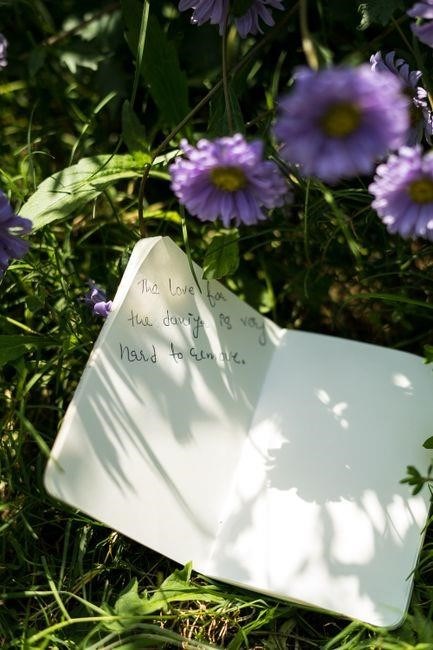
Mary Oliver urges us to live astonished‚ to pull a card each morning‚ letting its words spark curiosity․ The deck’s nature drawings invite reflection‚ turning simple verses into daily wonder․ Embrace each quote‚ let it ignite awe‚ and share the astonishment with

Using the Instruction deck (quote cards)
The Instruction deck is a collection of fifty Mary Oliver quotes‚ each card offering a bite‑size directive for daily life․ Pull a card each morning to set a tone of gratitude‚ wonder‚ and mindful presence․ The deck’s design pairs each quote with a gentle illustration of nature‚ reinforcing the idea that the world itself is a teacher․ By keeping the cards visible—on a stand‚ on a fridge‚ or in a pocket—you invite the words to linger in your consciousness‚ nudging you toward the simple practices Oliver champions: observe‚ love‚ hold‚ and let go․ The deck encourages you to pause‚ to listen to the pond’s quiet‚ to feel the earth under your feet‚ and to let astonishment guide your thoughts․ Each card can serve as a prompt for journaling‚ meditation‚ or conversation‚ turning a fleeting thought into a sustained practice․ The Instruction deck is not a rigid program; it is a flexible companion that adapts to your mood and schedule․ Whether you use it as a morning ritual‚ a midday reminder‚ or a bedtime reflection‚ the deck’s wisdom remains consistent: live with curiosity‚ honor the fleeting‚ and trust the process of letting go when the time arrives․ By integrating these cards into daily life‚ you create living dialogue with Oliver’s voice‚ allowing her insights to shape your actions‚ your relationships‚ and your sense of purpose․ The result is a life that feels both wild and precious‚ grounded in the simple‚ profound truths that have guided countless readers toward a more intentional‚ joyful existence․

Living Wild and Precious Life
Mary Oliver urges us to embrace a life that is both wild and precious․ She teaches to love the fleeting‚ hold it against your bones‚ and let it go when time arrives․ By observing nature‚ we find astonishment and purpose in each moment․ Each day invites wonder‚ andreminds us to pausebreathe honor the present․!
Choose a simple daily practice that echoes Mary Oliver’s gentle wisdom․ Begin each morning by pausing at a window‚ breathing in the crisp air‚ and noting one thing you love in the world—whether it’s the scent of rain on stone‚ the song of a sparrow‚ or the quiet hum of a distant city․ Write it down in a small notebook or on your phone‚ allowing the word to anchor your day․ When you encounter a moment of distraction‚ return to that note‚ breathing slowly‚ and remind yourself that life’s richness lies in the ordinary․ In the afternoon‚ take a short walk in a nearby park or along a street lined with trees․ Observe the leaves‚ feel the texture of bark‚ listen to the rustle of branches․ Let the senses guide you‚ and let the simple act of walking become a meditation on presence․ At night‚ before bed‚ reflect on the day’s moments of wonder․ Write a brief sentence about one instant that surprised you‚ and consider how that astonishment can inform your actions tomorrow․ By repeating this routine‚ you cultivate a life that is both wild and precious‚ rooted in the small‚ yet profound‚ moments that Mary Oliver celebrates․ If you find yourself overwhelmed‚ pause for a minute‚ close your eyes‚ and listen to your breath․ Count each inhale and exhale‚ letting the rhythm calm your mind; This simple breathing exercise aligns with Oliver’s call to be astonished‚ reminding you that awe can be cultivated even in stillness․ Finally‚ share one of your reflections with a friend or on a social media post‚ encouraging others to join the practice․ The act of sharing extends the ripple of wonder‚ turning a personal habit into a communal celebration of life․ Remember that the practice need not be rigid; it can adapt to your schedule․ On busy days‚ a brief five‑minute pause is enough‚ while on quieter days you might spend ten minutes in nature․ The key is consistency‚ not perfection․ Over time‚ this simple daily ritual becomes a compass‚ guiding you toward living a life that feels both wild and precious‚ echoing Mary Oliver’s timeless instructions․ Let each day be a new page in your living poem‚ and let the practice of noticing become the poem’s rhythm․