relion glucometer manual
ReliOn Glucometer Manual: A Comprehensive Guide
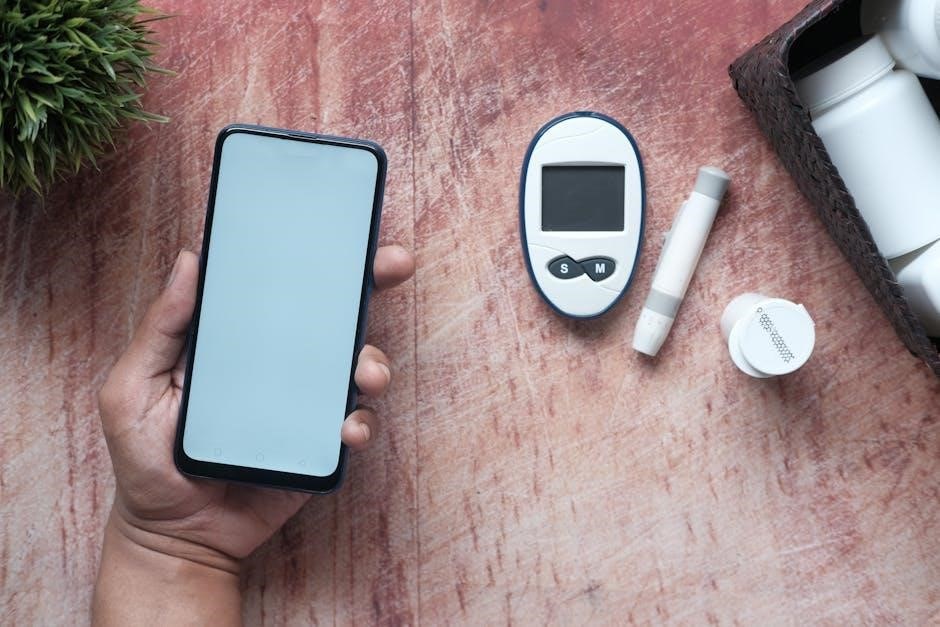
This manual details the ReliOn Prime system, designed for measuring glucose in capillary whole blood, offering in-vitro diagnostic use for self-testing and management․
Understanding Your ReliOn Prime System
The ReliOn Prime Blood Glucose Monitoring System is a vital tool for individuals managing diabetes, providing a convenient method for regularly checking blood glucose levels․ This system is specifically designed for in vitro diagnostic use, meaning samples are tested outside the body, typically using a small drop of blood from the fingertip or palm․
It’s crucial to understand that the system’s accuracy relies on proper operation and adherence to the instructions outlined in this manual․ The ReliOn Prime is intended to help you, in conjunction with guidance from your healthcare professional, make informed decisions about your diabetes management plan; Remember, if your blood glucose reading doesn’t align with how you feel, always consult your doctor․
This system empowers you to proactively monitor your health, but it’s not a substitute for professional medical advice․ Consistent and correct usage is key to obtaining reliable results and maintaining effective diabetes control․
What’s Included in the Box
Upon opening your ReliOn Prime Blood Glucose Monitoring System, please verify that all components are present․ The box should contain the ReliOn Prime meter itself, a lancing device with a lancet, and a sufficient quantity of ReliOn Prime test strips – ensuring compatibility is crucial for accurate readings․
You will also find a control solution, essential for verifying the meter and test strip functionality․ A user manual, providing detailed instructions on operation and troubleshooting, is included․ Additionally, there should be a quick reference guide for easy access to key information․ Batteries to power the meter are also provided, allowing for immediate use․
If any items are missing or appear damaged, please contact customer support for assistance before attempting to use the system․ Proper setup requires all components to be in good working order․
Setting Up Your ReliOn Glucometer
To begin using your ReliOn Prime, first insert the provided batteries into the meter, observing correct polarity․ Next, firmly attach the lancing device to the meter, ensuring it’s securely connected․ Load a lancet into the lancing device, adjusting the depth setting to suit your skin type – start with a lower setting and increase if needed for sufficient blood flow․
Insert a test strip into the meter’s test strip port; the meter will power on automatically․ Verify the test strip lot number matches the coding on the vial, if applicable․ The meter is now ready for testing․ Familiarize yourself with the meter display and symbols before proceeding with your first blood glucose measurement․
Always refer to the user manual for detailed illustrations and specific instructions related to your model․
Understanding the Meter Display
The ReliOn Prime meter display provides crucial information during and after testing․ The primary area shows your blood glucose reading in milligrams per deciliter (mg/dL)․ A smaller section displays the date and time of the test, aiding in tracking trends․ Symbols indicate meter status, such as low battery or ketone warning․
Error codes appear on the display if issues arise during testing – consult the manual for a complete list and troubleshooting steps․ The display also confirms successful test strip insertion and proper blood application․ Pay attention to any flashing symbols, as they often signal a specific condition requiring attention․
Understanding these indicators ensures accurate interpretation of results and proper meter operation․ Refer to the manual’s diagram for a visual guide to each display element․
Interpreting Symbols and Error Codes
The ReliOn Prime meter utilizes symbols to communicate important information․ A flashing drop symbol indicates insufficient blood sample – retest with a larger drop․ A ketone warning symbol suggests elevated ketone levels, prompting consultation with a healthcare professional․ Low battery is signaled by a battery icon, requiring replacement․
Error codes, displayed as “E-1”, “E-2”, etc․, signify specific issues․ “E-1” often means the test strip is damaged or inserted incorrectly․ “E-2” may indicate a system error requiring a meter reset․ Consult the manual’s comprehensive error code table for detailed explanations and solutions․
Ignoring these symbols and codes can lead to inaccurate readings or improper meter function․ Always address error messages before continuing testing to ensure reliable results and safe operation․
Preparing for a Blood Glucose Test

Before testing with your ReliOn Prime, ensure your hands are clean and dry – wash thoroughly with soap and warm water, then dry completely․ This prevents inaccurate readings due to contaminants․ Gather all necessary supplies: meter, test strip, lancing device, and lancets․ Verify the test strip expiration date; expired strips yield unreliable results․
Insert a new lancet into the lancing device, adjusting the depth setting to suit your skin type․ Lower settings are suitable for softer skin, while higher settings may be needed for thicker skin․ Prepare a test strip by inserting it into the meter, ensuring proper orientation as indicated on the strip and meter․
The meter will power on automatically․ Confirm the correct date and time are displayed for accurate record-keeping․
Performing a Blood Glucose Test – Step-by-Step
Once prepared, use the lancing device to gently prick the side of your fingertip or palm – avoid the center for less discomfort․ A small drop of blood should form․ If insufficient blood appears, gently massage the area towards the puncture site, avoiding excessive squeezing․
Touch the edge of the test strip to the blood drop; the strip will automatically draw in the required sample․ Avoid smearing the blood across the strip․ The meter will begin counting down, displaying the test time․
Do not touch the test area of the strip after applying the blood․ Remain still during the testing process․ After the countdown, your blood glucose result will be displayed on the meter screen․ Record the result immediately for tracking purposes․
Understanding Control Solution Testing
Control solution testing verifies your meter and test strips are functioning correctly, ensuring accurate results․ It’s crucial if you suspect inaccurate readings or if a new box of test strips is opened․ Control solution doesn’t replace regular calibration, but confirms the system’s performance․
Follow the test strip package instructions for the specific control solution level (low or high)․ Apply the control solution to the test strip as if it were a blood sample․ The meter will display a result; this should fall within the range printed on the test strip vial․
If the result is outside the acceptable range, repeat the test with a fresh strip and solution․ If issues persist, contact customer support․
Why Use Control Solution?
Control solution testing is a vital quality check for your ReliOn Prime system, confirming that both the meter and test strips are working together as expected․ It doesn’t diagnose medical conditions, but validates the accuracy of your glucose readings․
Use control solution when you first receive your meter, after opening a new package of test strips, or if you suspect your meter is malfunctioning․ Discrepancies between your blood glucose results and how you feel also warrant a control solution test․
This process helps identify potential issues like damaged test strips, improper meter function, or environmental factors affecting results․ Consistent, reliable readings are essential for effective diabetes management, and control solution testing contributes to this reliability․
Performing a Control Solution Test
To perform a control solution test, first, insert a test strip into the meter – do not apply blood․ Open a new vial of control solution and gently mix․ Apply the specified amount (check your vial) to the test strip, ensuring the entire reaction area is covered․
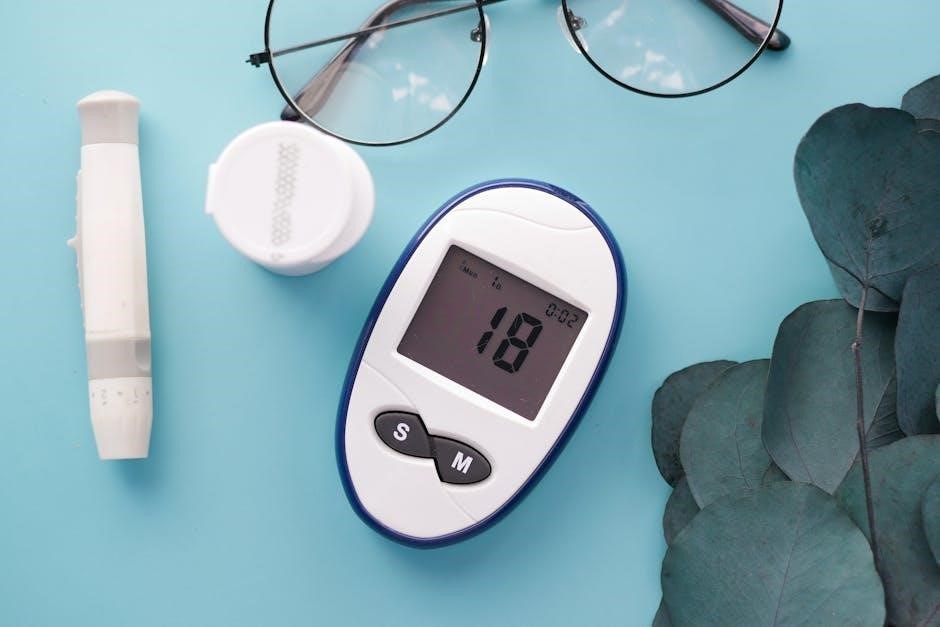
The meter will display a result․ Compare this result to the range printed on the test strip vial․ The reading should fall within the acceptable range for the control solution level used (high or low)․
If the result is outside the range, repeat the test with a new strip and solution․ If the problem persists, contact customer support․ Accurate control solution testing ensures your meter is functioning correctly before relying on blood glucose readings․
Using Test Strips Correctly
Proper test strip usage is crucial for accurate results․ Only use ReliOn Prime test strips specifically designed for your meter․ Store strips in their original vial, tightly closed, in a cool, dry place – avoid direct sunlight and heat․ Do not use expired strips, as they can yield inaccurate readings․
Before each test, check the expiration date on the vial․ Remove a strip from the vial immediately before testing, and close the vial promptly to protect the remaining strips from moisture․ Do not reuse test strips․ Insert the strip correctly into the meter, following the direction indicated on the strip and meter․
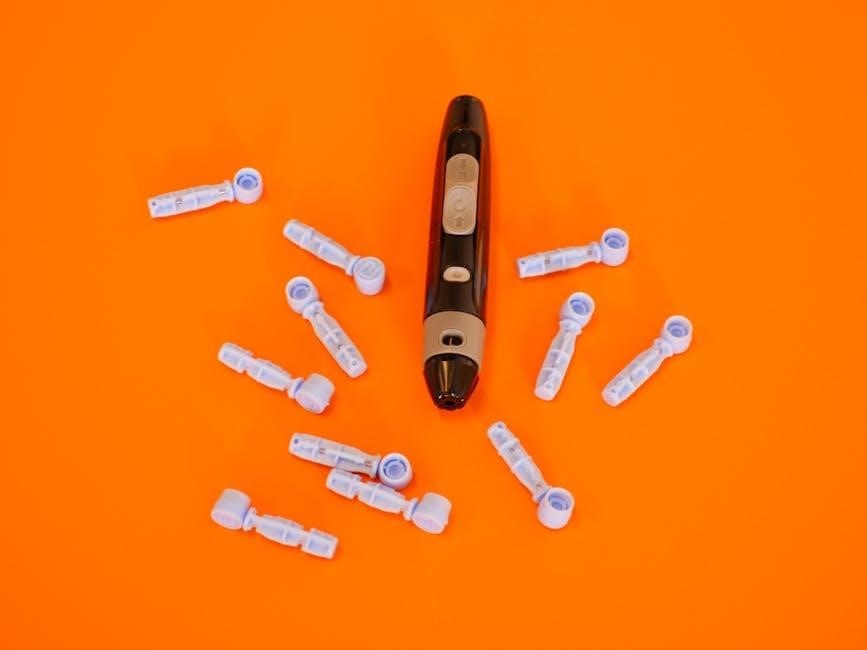
Ensure sufficient blood is applied to the test area within the specified time frame, as indicated in the testing procedure․

Memory Recall: Reviewing Past Readings
The ReliOn Prime meter stores your blood glucose readings, allowing you to track your results over time․ To access your testing history, press the “Memory” or “Review” button on the meter – the specific button may vary, consult your meter’s display for guidance․ The meter will display your most recent reading first․
Use the up and down arrow buttons (or similar controls) to scroll through your previously recorded results․ The meter typically displays the date and time each reading was taken, aiding in correlating results with meals, exercise, or medication․ The number of readings the meter can store varies, so older readings may be automatically overwritten as the memory fills․
Regularly reviewing your readings helps you and your healthcare provider understand your glucose control․
Data Averaging Features
The ReliOn Prime system offers data averaging capabilities, providing a broader perspective on your glucose control beyond individual readings; This feature calculates the average of your readings over a specified period, typically 7, 14, or 30 days․ Accessing these averages usually involves pressing a dedicated “Average” button or navigating through the meter’s menu using the up/down arrows․
Data averaging helps identify trends and assess the effectiveness of your diabetes management plan․ It smooths out daily fluctuations, offering a clearer picture of your overall glucose levels․ Remember that averages are just one piece of the puzzle; individual readings are still crucial for making informed decisions about your health․
Consult your healthcare provider to understand how to best utilize these averaging features․
Replacing the Batteries
Maintaining sufficient battery power is crucial for accurate readings with your ReliOn Prime glucometer․ The meter typically requires two AAA batteries․ A low battery indicator will appear on the display, signaling the need for replacement – do not ignore this warning! To replace the batteries, locate the battery compartment, usually on the back or side of the meter․
Gently slide off the battery cover and remove the old batteries, noting the correct polarity (+ and -)․ Insert new AAA batteries, ensuring proper alignment․ Replace the battery cover securely․ Incorrect battery installation can damage the meter or lead to inaccurate results․ Always use fresh, high-quality batteries․
Dispose of used batteries responsibly, following local regulations․
Cleaning and Maintenance
Regular cleaning and proper maintenance are essential for ensuring the accuracy and longevity of your ReliOn Prime glucometer․ After each use, wipe the meter with a slightly damp cloth․ Avoid using harsh chemicals, abrasive cleaners, or immersing the meter in water, as this can cause damage․
Pay particular attention to the test strip port, ensuring it is free from any blood or debris․ The lancing device should also be cleaned regularly, following the manufacturer’s instructions․ Do not attempt to disassemble or repair the meter yourself; this will void the warranty․
Store the meter in a clean, dry place, away from extreme temperatures and humidity․ Proper care will help maintain the reliability of your glucose monitoring system․
Troubleshooting Common Issues
Encountering issues with your ReliOn Prime? If the meter displays an error code, consult the “Interpreting Symbols and Error Codes” section for specific guidance․ Inaccurate readings should be addressed by verifying proper testing technique, test strip expiration, and control solution results․
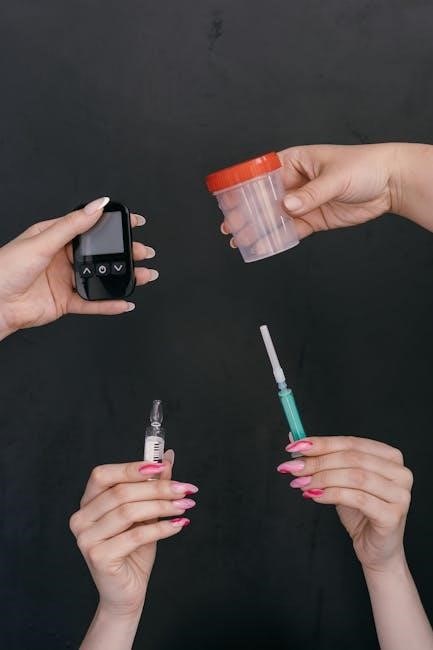
If the meter won’t turn on, ensure the batteries are correctly installed and have sufficient charge․ For communication errors, try resetting the meter or contacting customer support․ If blood sample errors occur, ensure adequate sample size and proper application to the test strip․
Remember, if results don’t align with how you feel, or issues persist, always consult your healthcare professional․ Do not attempt self-repair, as this may damage the device and void the warranty․

Meter Errors and Solutions
Various error messages may appear on your ReliOn Prime, indicating specific issues․ “E-1” often signals a test strip error – ensure proper insertion and check the expiration date․ “E-2” typically indicates insufficient blood sample; retest with a larger drop․ “E-3” suggests a potential strip malfunction; try a new strip․
If you encounter “E-4”, it may relate to internal meter issues, requiring a reset or contacting customer support․ For “E-5” (control solution error), verify the control solution is within its expiration and used correctly․ Regularly check the meter display for any unusual symbols․
Always refer to the manual’s symbol guide for clarification․ If an error persists despite troubleshooting, do not continue testing and seek guidance from your healthcare provider․
Inaccurate Readings – What to Do
If your ReliOn Prime reading doesn’t align with how you feel, or seems unusually high or low, several steps should be taken․ First, repeat the test using a fresh test strip, ensuring adequate blood sample volume․ Confirm proper technique – wash hands thoroughly, and avoid squeezing the finger excessively․
Verify the test strips haven’t expired and are stored correctly․ Run a control solution test to confirm the meter and strips are functioning within acceptable ranges․ If discrepancies continue, compare your result with a healthcare professional’s reading․
Remember, factors like temperature, humidity, and altitude can influence results․ Always follow your healthcare provider’s instructions and never adjust medication based solely on a single reading․
Proper Storage of Your Glucometer and Supplies
To ensure accurate results and prolong the life of your ReliOn Prime system, proper storage is crucial․ Store the meter in a clean, dry place, away from extreme temperatures and humidity․ Avoid direct sunlight and keep it out of reach of children․
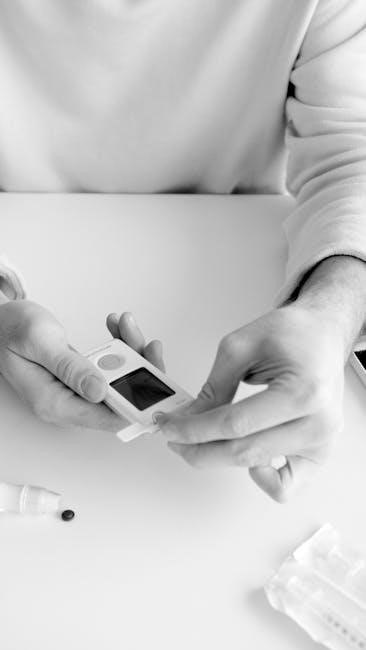
Test strips should be stored in their original container, tightly closed, and also in a cool, dry location․ Do not refrigerate or freeze test strips․ Always check the expiration date before use; expired strips can yield inaccurate readings․
Lancets and alcohol swabs should be stored in a safe, sanitary environment․ Properly dispose of used lancets in a sharps container, following local regulations․ Maintaining these storage guidelines will help maintain the reliability of your monitoring system․
Important Safety Information

The ReliOn Prime system is for in-vitro diagnostic use only; it’s intended for self-testing and monitoring of blood glucose levels․ Never use the device for any other purpose․ If results are inconsistent with how you feel, consult your healthcare professional immediately – do not self-treat based solely on meter readings․

This system is designed for single-patient use only․ Sharing the device, lancets, or test strips poses a serious risk of infection․ Always wash your hands thoroughly before and after testing․
Properly dispose of used lancets as medical waste, utilizing a sharps container․ Keep all components out of reach of children․ If you experience any adverse reactions, discontinue use and seek medical attention․
Disposing of Used Lancets and Test Strips
Safe disposal of used lancets is crucial to prevent accidental needle sticks and potential infection․ Always place used lancets immediately into an FDA-cleared sharps container․ These containers are puncture-resistant and designed for safe medical waste disposal; do not attempt to recap, bend, or break used lancets․
Used test strips, while not considered biohazardous like lancets, should also be disposed of responsibly․ Check your local regulations for proper medical waste disposal guidelines․ Generally, used test strips can be discarded in a sealed bag with your household trash, but confirm local rules․
Never flush lancets or test strips down the toilet or dispose of them in recycling bins․ Proper disposal protects sanitation workers and the environment․